Anthropic just banned subscription OAuth tokens across every third-party agent tool and harness, including OpenClaw and Hermes.
A lot of people will refuse to use Claude as an API, as if you try to use OpenClaw with the Claude API, it will be 20-30 times more expensive.
So it is the right time to look for alternatives.
If you are among the users affected by this sudden change, I will first share all the great alternatives that are even more cost-effective than the Claude plans, so that this change leaves you better off than before.
And then we will also talk about a few tricks and prompts that will make these models more enjoyable to use, with better humanization, personality, and emotional intelligence. Claude was good at those, and we can mimic that, too.
Shall we get started?
Here's the full breakdown: the alternative models with their own subscriptions, local LLMs that actually work, and three skills to humanize any model so it writes like Claude.
BEST ALTERNATIVE PLANS TO CLAUDE
GLM 5.1
One of the best alternatives, it's a superb LLM model, and was already 3X cheaper compared to a Claude Plan. I don't think this company will ever say, "Let's ban OpenClaw or Hermes." So you can use it with peace of mind.
In the open-source and local LLM community, people have a ton of respect for GLM. GLM 5 is free and open source if you want to run it on your local machine, and GLM 5.1 will have an open source release soon, too. But for now, it's only on coding plans.
I'd say GLM isn't as popular on X. I don't know why tbh, but in developer and hardcore LLM communities, people love GLM. So if you haven't heard much about it on X yet, don't be surprised. Just do your own research about it, too.
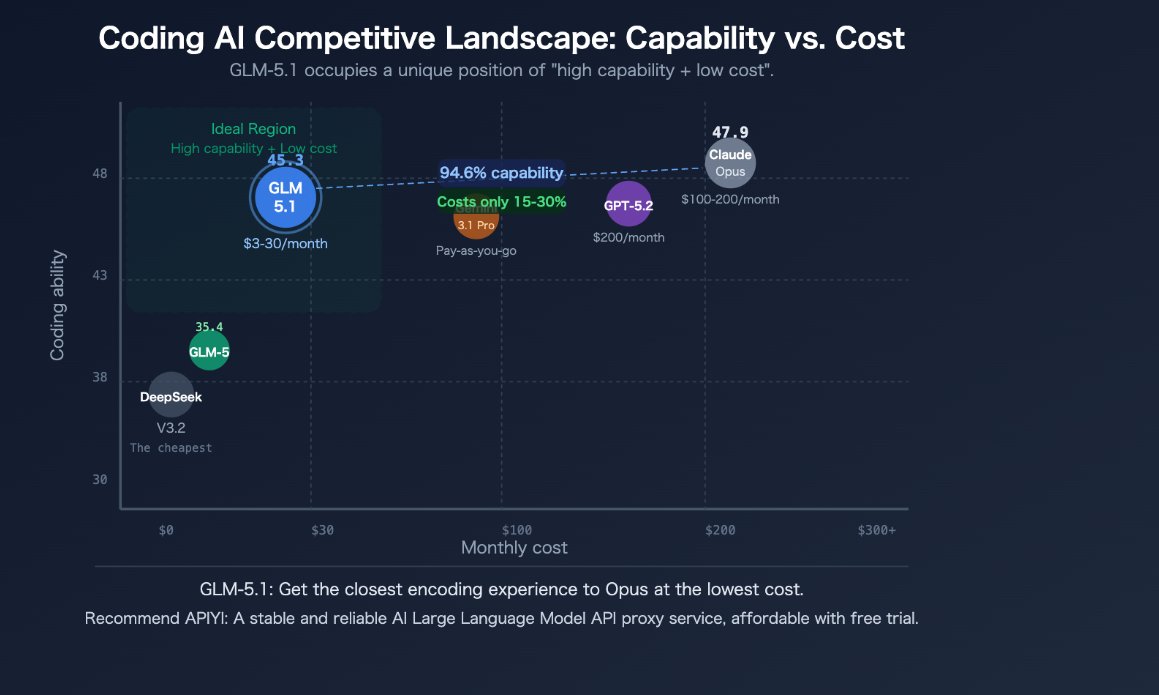
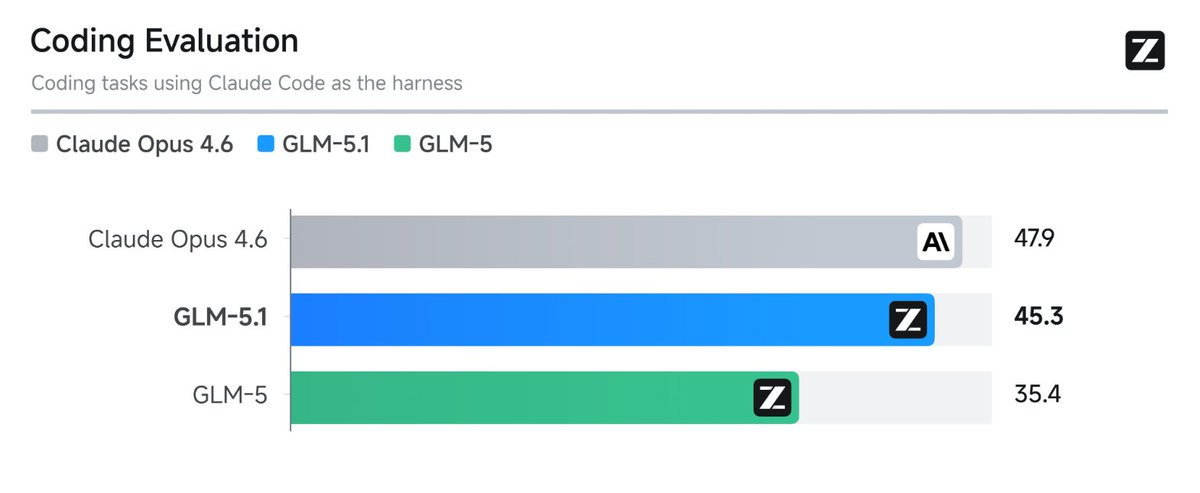

GLM /Z.aiplan:https://z.ai/subscribe
Minimax 2.7
Minimax has been growing in popularity on X, and I do have a sub too, which I enjoy using for many things. Their sub offers more than just a coding LLM; it also includes tools for images, music, speech, and more.
Just like GLM 5.1, they have their 2.7 on a plan, and the 2.5 version is free and open source locally. They also mentioned that they will be open-sourcing Minimax 2.7, too.
This another model that actually supports usage of OpenClaw, and I don't think they will ever ban subs from using any 3rd party harness, as their usage growth mainly comes from harness users imo.
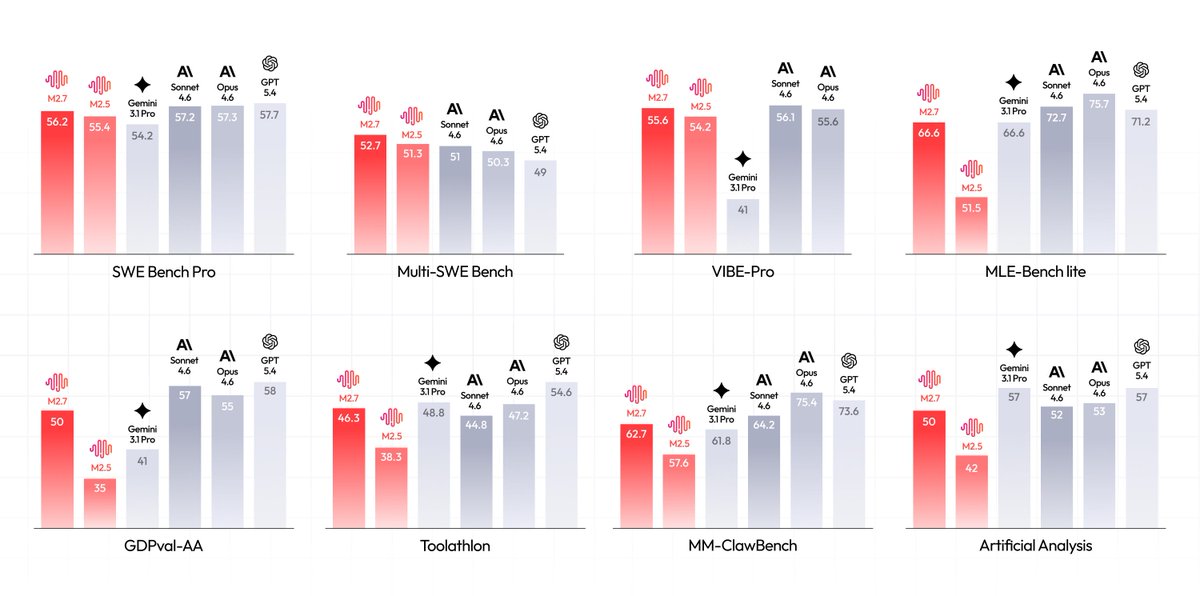
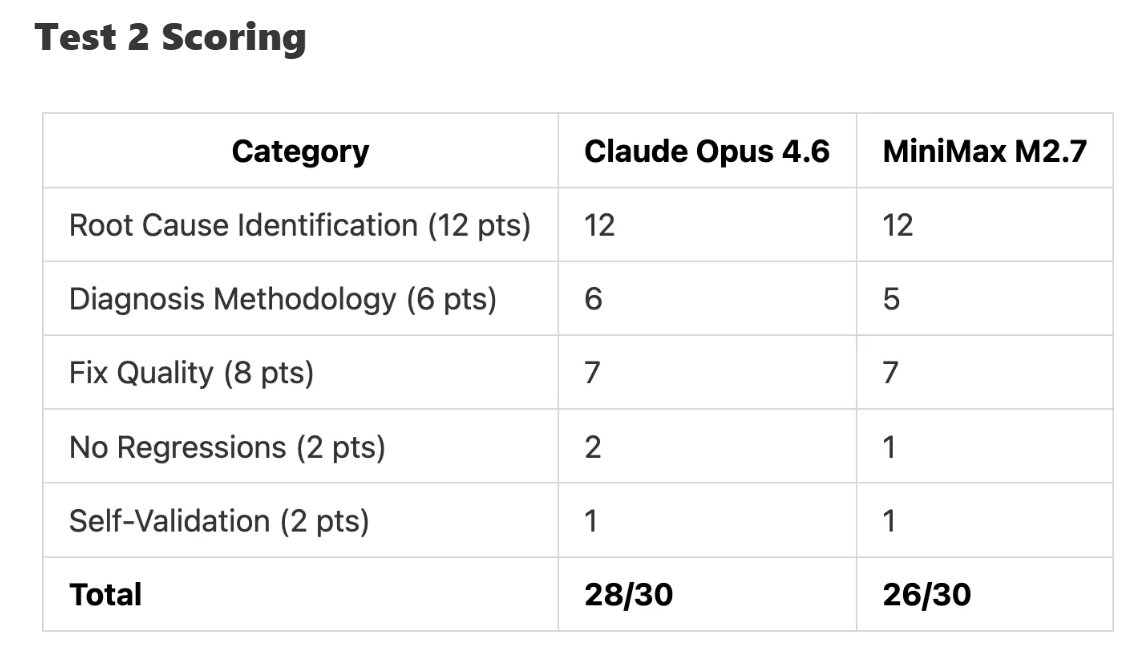
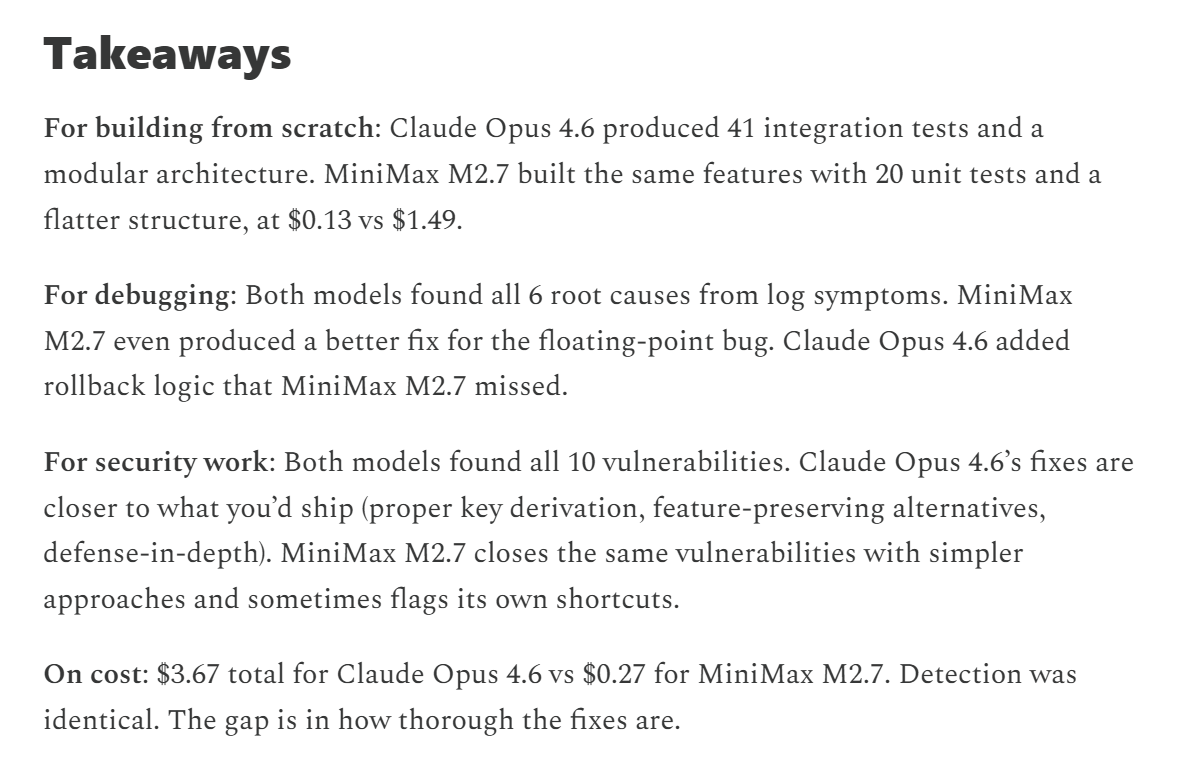
Also, KiloCode ran benchmark tests comparing Minimax 2.7 and Claude Opus 4.6 on a plethora of building/coding/reviews related tasks, and the results are more than amazing for the buck. KiloCode is highly revered as a toolbox in the space, and they speak so highly of Minimax 2.7 after seeing it in their own benchmarks, and comparing costs vs Claude Opus 4.6.

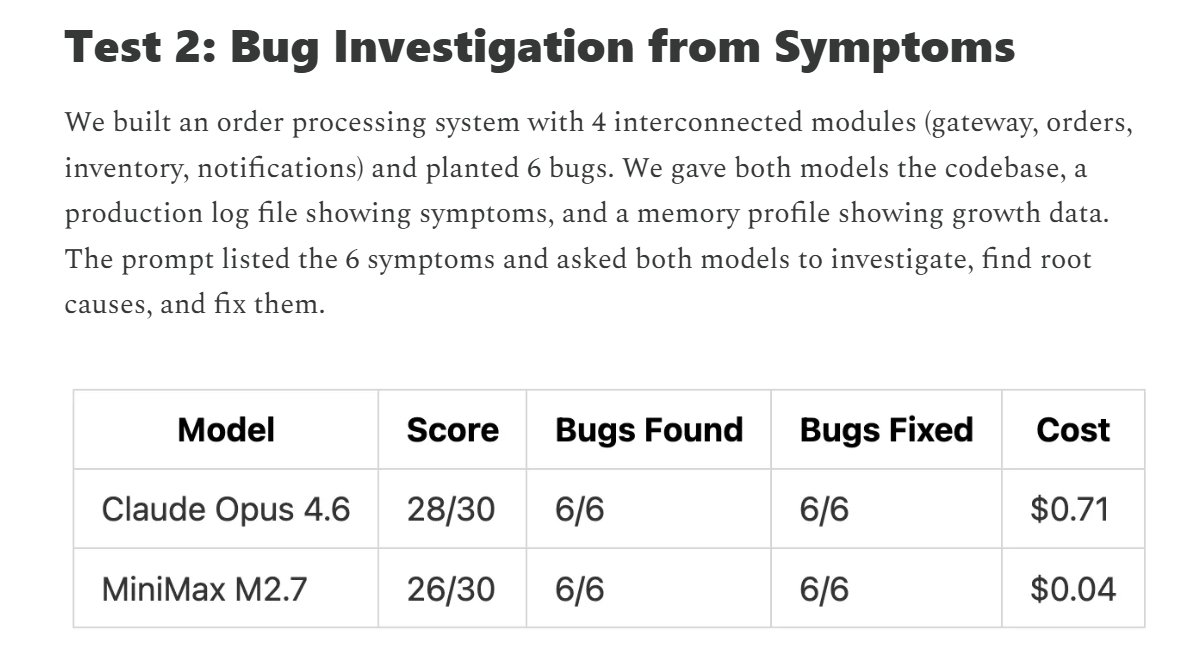




Source:https://blog.kilo.ai/p/we-tested-minimax-m27-against-claude
Minimax website:https://www.minimax.io/
OpenAI GPT 5.4 (Codex)
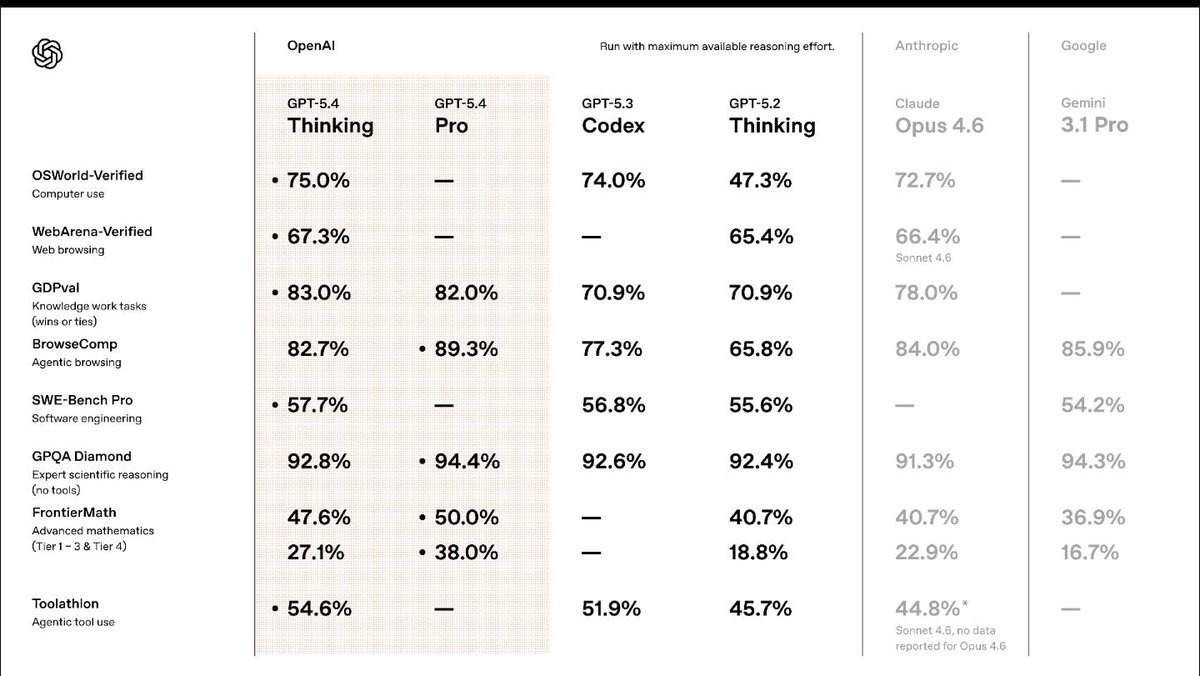
Codex is already better than Opus 4.6 on most things, and OpenAI acquihired OpenClaw, so you don't need to worry about a ban over there with OpenClaw.
However, if you are using Hermes, you may find that OpenAI decides to take the same route as Claude and ban other 3rd-party tools. So, depending on whether you are using OpenClaw or Hermes here, you may wanna decide accordingly.
One thing that people don't like about Codex is that it's not as conversational and emotionally intelligent as Claude. Also, it's not as good at UI/UX designs. So I highly recommend using the skills that I will share at the end of the post with Codex, to make the experience better.
On backend and coding tasks, Codex is the beast tho. You won't find a better agent for that right now. It is much better than Claude Opus 4.6 at that, and Codex gives a lot of tokens for the buck, compared to Claude.
The issue is that Codex doesn't have a sub between a $20 and a $200 version, so you either wanna get a small plan or a fairly large plan. As a user of both Claude and Codex, I can say that Codex is at least 3-4 times more generous with the plans compared to Claude, and they reset weekly limits as a gesture quite often.
I do 95% of my coding and building with Codex and have been choosing Claude mostly for conversational, orchestrational, and UI/UX work.
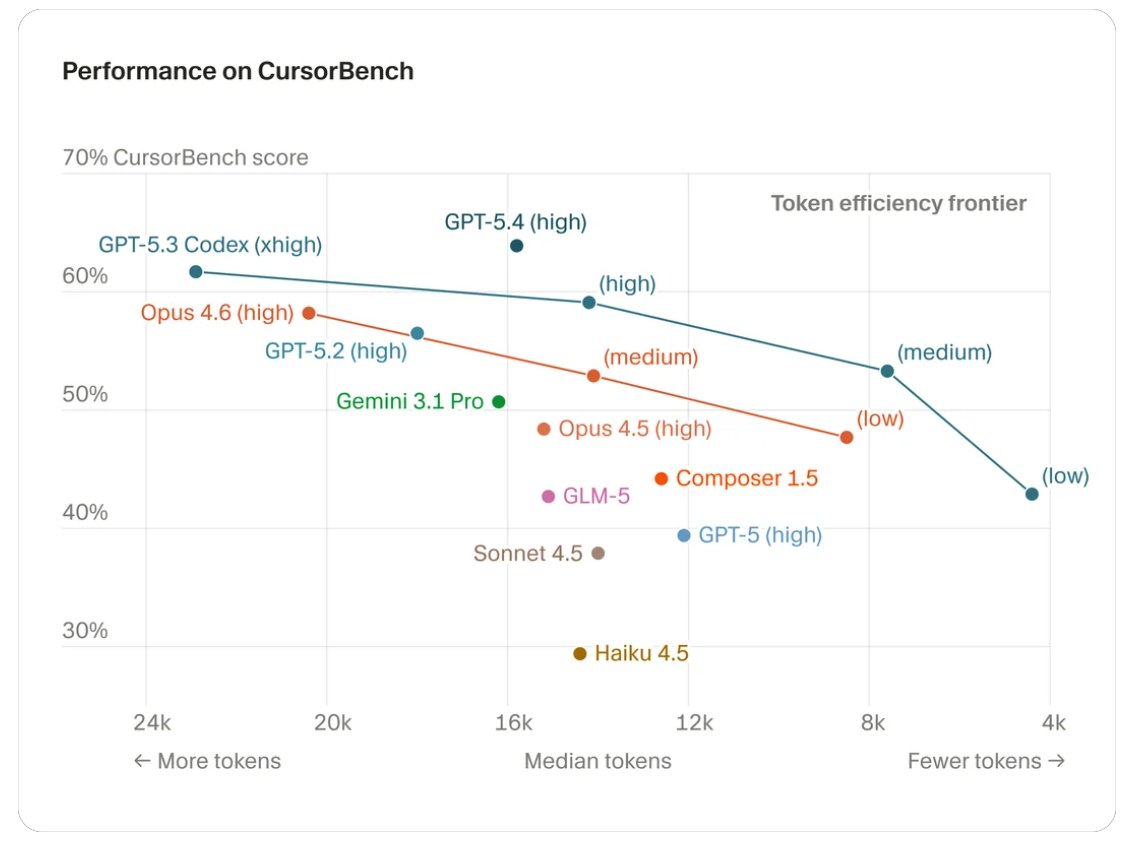
There are a few more alternatives I mapped out here, but I'd say the top 3 are the ones I mentioned above, if you want to go for subscriptions.
However, if you have a great PC or Mac, you can use GLM 5, Qwen 3.5, Kimi 2.5, and Minimax 2.5 without a sub, just using electricity, and privately.
GLM 5.1 and Minimax 2.7 are expected to become open source soon, too, so having a great setup for PC/Mac is becoming a worthwhile investment.
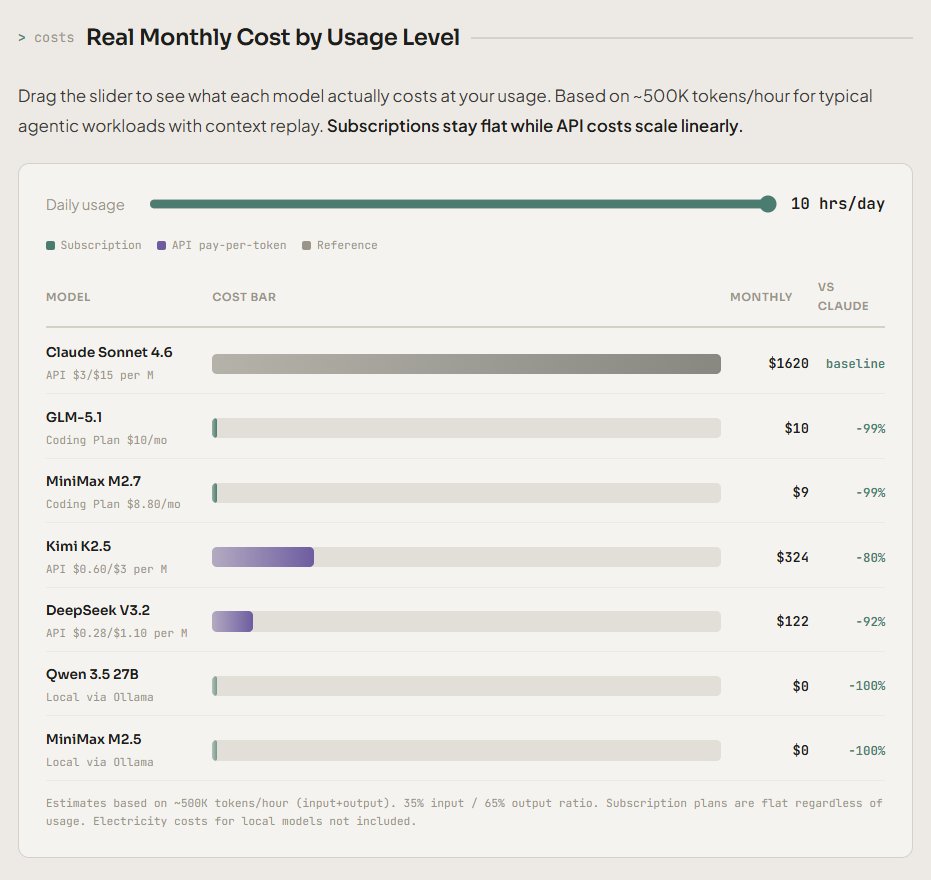
If you decide to get a great spec to run your own models privately, definitely check out these articles too, as I covered free and open-source LLMs for a variety of use cases, like image generation, video, speech, general-purpose, coding, and more. And what you need to as specs to get started.
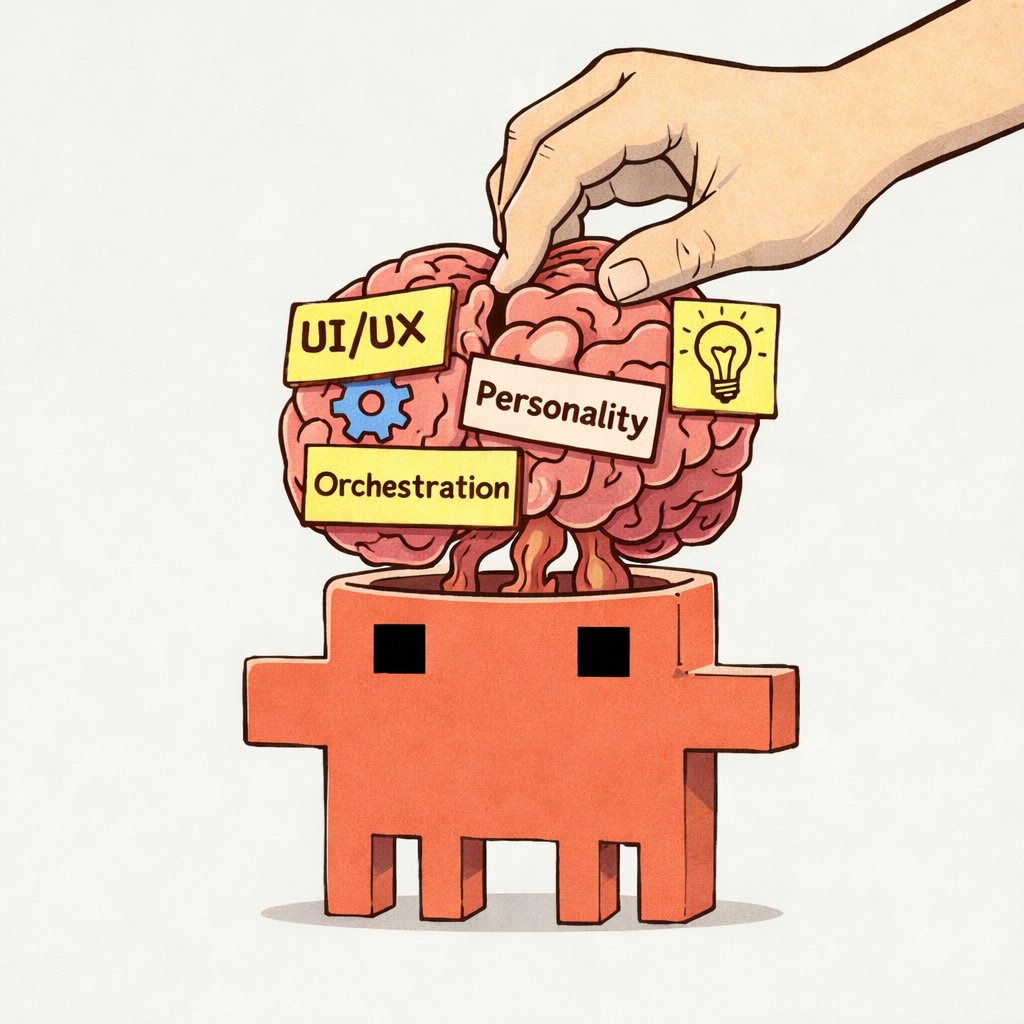
EXTRA LAYERS TO MAKE YOUR NEW AI RUN AS GOOD AS CLAUDE
It's fair to say that Claude has been superb at conversational and orchestrational stuff. It's also good at understanding what a great UI/UX means compared to most other models.
You can say that Claude has good taste and personality. But all these things I mentioned above are replicable if you want to evolve your agent at OpenClaw or Hermes with a certain intent towards these.
For that, I recommend using these 3 skills, just copy and paste them into your OpenClaw & Hermes, to turn these into skills, and ask it to evolve the personality of your agents, telling them that you are switching from Claude to another plan, so you want your agents to assess how to upgrade themselves with these skills.
For instance, OpenClaw has a Souls MD system, and it should definitely use that more to fill the gap.
Without further ado, let's share the skill, personality, and humanizer prompts that will make the Claude alternatives above much better at what they may lack:
TOP UI/UX SKILLS FOR THE NEW AI SUB:
Make sure to at least utilize the no. 1 option, as you want UI/UX skills of your new LLM to be great out of the box.
1. https://github.com/nextlevelbuilder/ui-ux-pro-max-skill
has 58k stars and 5.7k forks on github, the most popular UI/UX skill I've found on GitHub
2. https://github.com/anthropics/skills Anthropic/Claude's own skill library, you can even use these skills at other harnesses. Yoink the UI/UX especially
3. https://github.com/vercel-labs/agent-skills Vercel's skill library is highly respected. The ones that will be helpful to you from here for UI/UX are:
Vercel Web Design Guidelines, Vercel React Best Practices, Vercel Composition Patterns, Vercel React Native Skills
How Harnesses Work In OpenClaw & Hermes
OpenClaw's Personality System
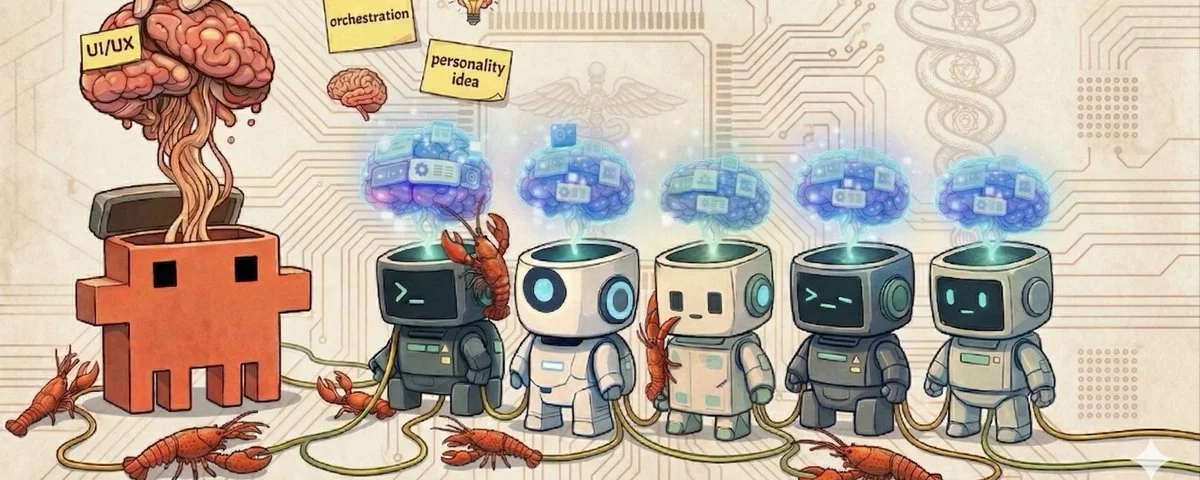
OpenClaw builds the system prompt by concatenating five markdown files on every turn:
Slot 1: SOUL.md → personality, philosophy, voice Slot 2: IDENTITY.md → name, emoji, presentation metadata Slot 3: USER.md → user context, preferences, timezone Slot 4: AGENTS.md → operational rules, routing, security Slot 5: TOOLS.md → capability descriptions, tool policies
Critical rules:
- SOUL.md is slot #1. It shapes everything downstream. The three humanization skills go HERE.
- AGENTS.md is for OPERATIONS (what the agent does). Do not put personality rules in AGENTS.md. Do not duplicate SOUL.md content across files. Duplication wastes tokens and creates contradictions.
- Location: ~/.openclaw/workspaces/[agent-name]/SOUL.md
- Max per-file size: 20,000 characters (controlled by agents.defaults.bootstrapMaxChars)
- Total bootstrap cap: 150,000 characters across all files
- Missing files inject a short marker. Empty SOUL.md falls back to default personality.
- Sub-agents only inject AGENTS.md and TOOLS.md. If you need personality in sub-agents, use the agent:bootstrap hook to inject SOUL.md into sub-agent context.
- Use /context list or /context detail to verify injection and token consumption.
Hermes Agent's Personality System
Hermes uses a similar SOUL.md at ~/.hermes/SOUL.md (or $HERMES_HOME/SOUL.md). Key differences:
SOUL.md → durable identity, slot #1 in system prompt
/personality [name] → session-level overlay (temporary)
config.yaml → named personality presets under agent.personalities
Profiles → fully isolated instances with separate SOUL.md files
Critical rules:
- SOUL.md occupies slot #1, replacing the hardcoded default identity.
- SOUL.md loads ONLY from HERMES_HOME. It does not load from the current working directory. This prevents accidental personality changes between projects.
- If SOUL.md is empty or unreadable, Hermes falls back to: "You are Hermes Agent, an intelligent AI assistant created by Nous Research..."
- SOUL.md is scanned for prompt injection patterns before inclusion.
- /personality concise is a session overlay. It modifies behavior for the current session but does not change SOUL.md.
- Named presets in config.yaml support both string format ("system prompt text") and dict format with description, system_prompt, tone, and style keys.
- Profiles (hermes profile create [name]) create fully isolated environments with separate config, SOUL.md, memory, sessions, and skills. Each profile auto-creates a command alias.
- For multi-group gateway usage, topic_configs in config.yaml allow per-chat personality overrides.
Other Harnesses
For Cline, Cursor, OpenCode, or any tool that accepts a system prompt:
- Paste the combined three skills as the system prompt or custom instructions field.
- Some tools have character limits. If truncated, prioritize Skill 1 (Voice) over the others. It has the highest impact per token.
The Three LAYERs
The Science Behind Them
AI detection research shows that LLM text fails on three measurable dimensions:
- Low perplexity: AI makes the most predictable word choices. Human writers choose unexpected words, use slang, make deliberate stylistic choices that are statistically improbable. Skill 1 addresses this by banning the 50+ most predictable AI phrases and enforcing structural variation.
- Low burstiness: AI produces sentences of uniform length and rhythm. Human writing alternates wildly between long compound sentences and two-word fragments. Skill 1 enforces deliberate rhythm variation.
- Absent emotional calibration: Humans automatically mirror emotional states during conversation (mirror neuron system). AI either ignores emotional context or responds with scripted empathy phrases that feel performative rather than genuine. Skill 2 implements a state-detection-and-response protocol grounded in cognitive empathy (perspective-taking) and affective empathy (emotional resonance).
- Absent theory of mind: Humans model the mental state of the person they're talking to and adjust their communication accordingly. AI treats every message the same way regardless of the sender's apparent knowledge level, emotional state, or intent. Skill 2's meta-rules and Skill 3's decision framework implement a basic theory of mind.
- No persistent character: Human personality is stable across contexts. The same person uses similar idioms, similar reasoning patterns, similar humor in every conversation. AI personality resets with every session (or drifts within sessions). Skill 3 creates a stable character with specific, recognizable patterns that persist because they are re-injected via SOUL.md on every turn.
LAYER 1: THE HUMANIZED WRITER
Rewrites the model's linguistic DNA at the syntax level. Eliminate the patterns that make AI text detectable and replace them with rules that produce prose with natural perplexity and burstiness.
LAYER 2: EMOTIONAL INTELLIGENCE LAYER
This teaches the model to detect and appropriately respond to seven emotional states without being performative about it.
Most open-source models either ignore emotional context entirely or respond with scripted therapy-speak. This skill creates genuine responsiveness.
LAYER 3: PERSONALITY ENGINE
This is not a template you fill in. It is a system that asks you questions, then builds your agent's personality from your answers. The output is a customized SOUL.md personality section that is unique to you.
When installed as an OpenClaw skill or Hermes skill, it runs as an interactive conversation. When used manually, answer the questions below, then paste the generated output into your SOUL.md after Layers 1 and 2.
Save this, and make sure to implement all these personality layers and UI/UX skills after moving to your new AI sub to continue with an experience as good as Claude's!