
Claude + Obsidian should be illegal.
Let me tell you what my setup does before I explain how to build it.
Every morning I open my laptop, Before I type a single word, Claude already knows who I am, what I'm working on, every crypto tool I use, every open task, every article I've ever written, and every idea I've ever captured.
That's not a chatbot, that's a second brain that never sleeps, never forgets, and gets smarter every single day you use it.

Here's exactly how it works, and how you can build it yourself this week, it will take you few hours to save you THOUSANDS of hours:
How to set up your second brain in 5 minutes:
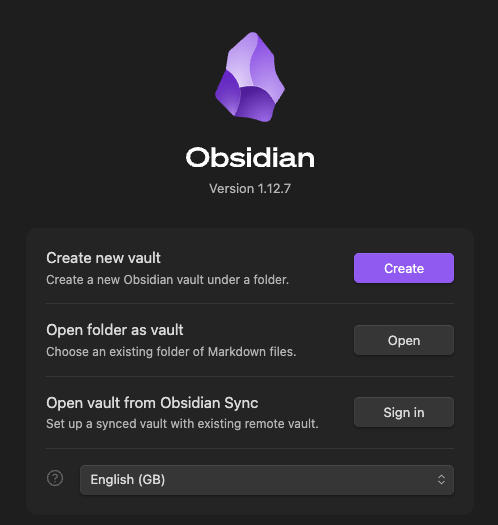
First let's download Obsidian (If you don't have it yet), few clicks and it's installed easily:

Now you need to create your second brain, that's called vault, you can name me however you want, mine is Leo's workspace:
Download Claude code for your desktop if you still don't have it:
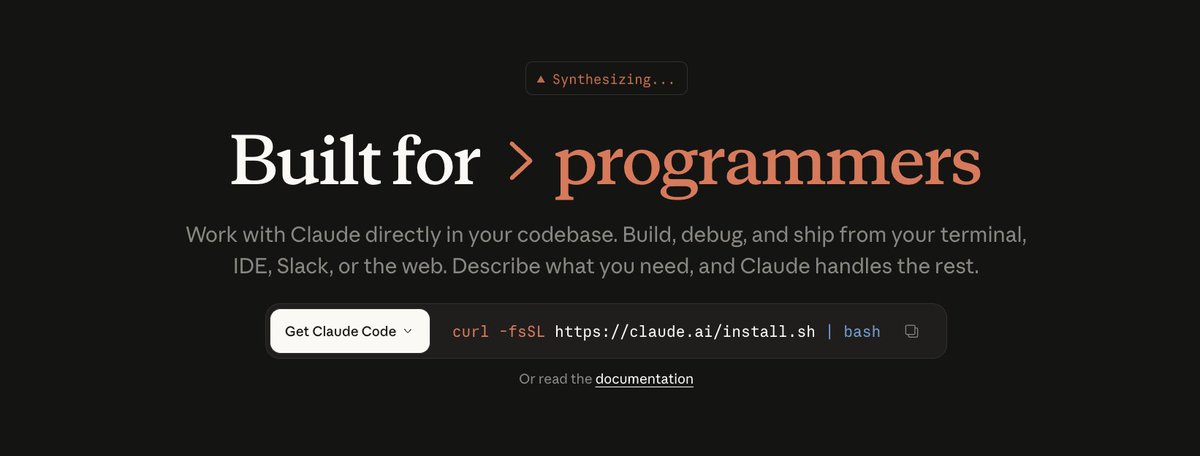
Then go to Claude code and choose your vault:

And the most important step is Andrej Karpathy’s prompt, which I split into two parts.
Copy the first part, then the second, and then put them together:
Now you need to help your second brain get info, nobody tells you this part:
You don't even need to open Obsidian, point Claude Code at the folder, work from the terminal, and your second brain quietly builds itself in the background.
Obsidian is just the window you look through when you want to see what's inside.
What actually goes in a second brain?
Think about everything you consumed in the last year that just disappeared:
> The book you finished and forgot.
> The podcast that changed how you think about something.
> Articles saved at 11pm that you never reopened.
> YouTube rabbit holes that taught you more than any course.
> Kindle highlights you marked and never looked at again.
> Research you did before a big decision.
> Old project notes.
> Lessons from things that went wrong.
All of that is sitting somewhere doing nothing. It belongs in your vault.
No existing material? Open Claude chat and talk for twenty minutes, your work, your goals, what you're building, what you're figuring out.
Save that conversation as your Memory file, that's enough to make your first session feel like Claude actually knows you.
The vault doesn't need to be complete to be useful. It just needs to be real.
The operations: what you actually do day to day
Ingest, you clip an article with the Web Clipper, it lands in your raw sources folder, you tell Claude:
One article: Claude links 10-15 wiki pages, surfaces unexpected connections, flags contradictions, and logs exactly what changed.
Query: Ask the wiki, claude scans the index, pulls the right pages, and answers with citations.
Then it saves the best outputs back into the wiki, comparisons, analyses, new connections, so insights don’t vanish in chat and your knowledge base compounds.
Lint: Once a week, run this:
Your knowledge base stays healthy automatically, maintenance stops being your job.
The morning briefing set it once, runs forever:
You set this up once, every morning it runs without you touching anything.
Process a call transcript and update your entire system:
Every decision filed, every action tracked, nothing lost to chat history ever again
Why almost nobody has this
The reason this isn't everywhere yet is simple: the people who've built it aren't explaining it clearly, and the people who need it don't know it exists.
Most second brain projects die the same death. You start organized. Maintenance piles up, updating tags, keeping cross-references current, reorganizing when the structure evolves.
That's extra work on top of a full workload -> you skip it, the system degrades -> u go back to scattered notes. Six months later you try to rebuild it and the cycle repeats.
Claude breaks that cycle permanently, maintenance is just a command. Reorganizing your entire vault is a prompt, migrating from Notion?
One command processes every exported file, adds the right properties, and restructures everything into your new system.
The human's job is to curate sources, ask good questions, and think about what it all means. Claude's job is everything else, the summarizing, cross-referencing, filing, and bookkeeping that makes a knowledge base actually useful over time.
Vannevar Bush described something like this in 1945, a personal, curated knowledge store where the connections between documents are as valuable as the documents themselves.
He called it the Memex, the part he couldn't solve was who does the maintenance.
Now you know who does it: Build this once -> Use it forever, and it gets better every single day you add to it.
That's why it should be illegal.
- Leo